Every Piece Is Unique
No two natural-stone products will have exactly the same veining, pattern, colour movement or mineral markings.
NATURAL MATERIAL INFORMATION
Understand the natural characteristics of marble and other stone materials, how products may differ from samples or photographs, and what to consider before placing an order.
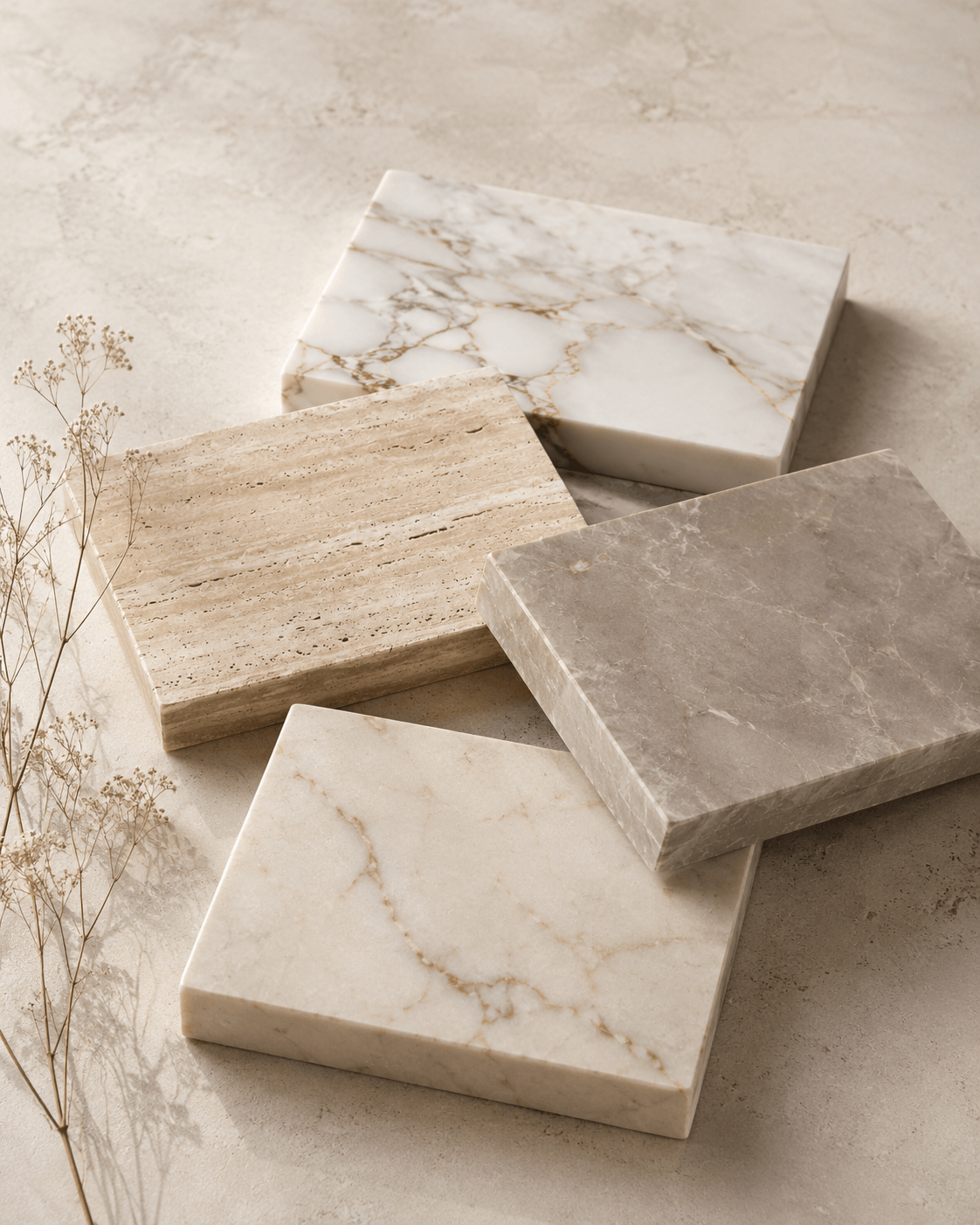
No two natural-stone products will have exactly the same veining, pattern, colour movement or mineral markings.
Small samples, slab photographs and product images provide guidance but may not reproduce the final product exactly.
Pores, veins, crystalline areas, mineral deposits and subtle surface variation can form part of the stone’s character.
Performance varies according to the exact material, finish, sealing, placement, cleaning and environmental conditions.
This page applies to natural-stone products supplied by Marble Trays, including marble, travertine, onyx, granite, quartzite, limestone and other stone materials where offered. Natural stone is formed by geological processes rather than manufactured to a perfectly uniform appearance.
Colour, veining, pattern, mineral content, texture and surface character can vary within one slab, between slabs and between products made from the same named material. Product-specific records, approved drawings and written specifications take priority when they provide more precise guidance for a particular item.
This page should be read with the policies and product information relevant to the order. It does not remove rights that cannot lawfully be excluded.
Natural stone is quarried material created over long geological periods. Its final appearance is influenced by mineral composition, heat, pressure, sedimentation, crystallisation, natural fractures, fossil or shell content, quarry location and the position of the block or slab.
These influences create material character that cannot be controlled in the same way as a printed or fully manufactured surface. Even a carefully selected stone name describes a family of appearance rather than an identical repeated pattern.
Variation can occur within one slab, between slabs cut from the same block, between blocks from one quarry and between different quarry batches. A small sample may capture only a limited part of a much larger pattern.
Two trays made from the same named stone can therefore have different vein placement, colour balance, mineral markings and quiet or dramatic areas. Previous products and approved replacement products may also differ visually.
Veins may differ in thickness, direction, density, spacing, colour and continuity. A stone can contain both quiet areas and highly expressive areas within the same slab.
Cut location and tray orientation determine which part of the stone becomes visible. A tray cut from one area may look noticeably different from another tray cut only a short distance away.
Colour differences can result from mineral composition, slab batch, surface finish, moisture, sealer, lighting, photography, screen display and normal ageing or use.
Colour-family descriptions such as white, beige, black, grey, green or pink are general visual categories. They do not mean that the stone will be one flat or perfectly repeatable colour.
Natural stone may contain mineral deposits, crystalline areas, fossils, shell fragments, dark or light spots, oxidised markings, colour concentrations and metallic-looking particles.
These features are not automatically contamination or poor workmanship. Their significance depends on the material, location, depth and effect on the finished product.
Depending on the stone type and finish, the surface may contain natural pores, open veins, fissures, pits, crystalline cavities, filled areas or resin-treated areas. Some features become more visible in honed or textured finishes than in polished finishes.
A natural fissure and a structural crack are not the same thing. Assessment considers depth, location, continuity and whether the feature affects the product’s function, safety or approved specification.
MATERIAL UNDERSTANDING
The examples below help distinguish expected variation from concerns that should be reviewed. They do not replace an assessment of the individual product.
Physical samples, slab photographs, videos, website images, digital renderings, previous-order images and material swatches are generally representative guides. They show a material family or selected area but cannot reproduce every part of the final product.
A specific slab or slab area should only be treated as reserved when that selection has been formally confirmed through the applicable order process. Availability can change before reservation or production approval.
Stone appearance changes with screen brightness, screen calibration, mobile or desktop display, warm or cool lighting, daylight, camera processing, image compression and reflections from polished surfaces.
Physical viewing, an approved sample or a clearly documented slab review can provide better guidance than screen-only assessment, while still remaining subject to natural variation.
Bookmatching, vein matching, continuous patterns, centred veining and directional layouts may be reviewed for selected bespoke or multi-piece orders. The result depends on slab size, pattern, availability and fabrication requirements.
Perfect continuity or symmetry may not be possible. Additional material can be required, and digital layouts remain guides rather than guarantees of identical natural movement.
VISUAL GUIDE
Close-up examples help illustrate types of visual variation. The exact features differ by material and product.
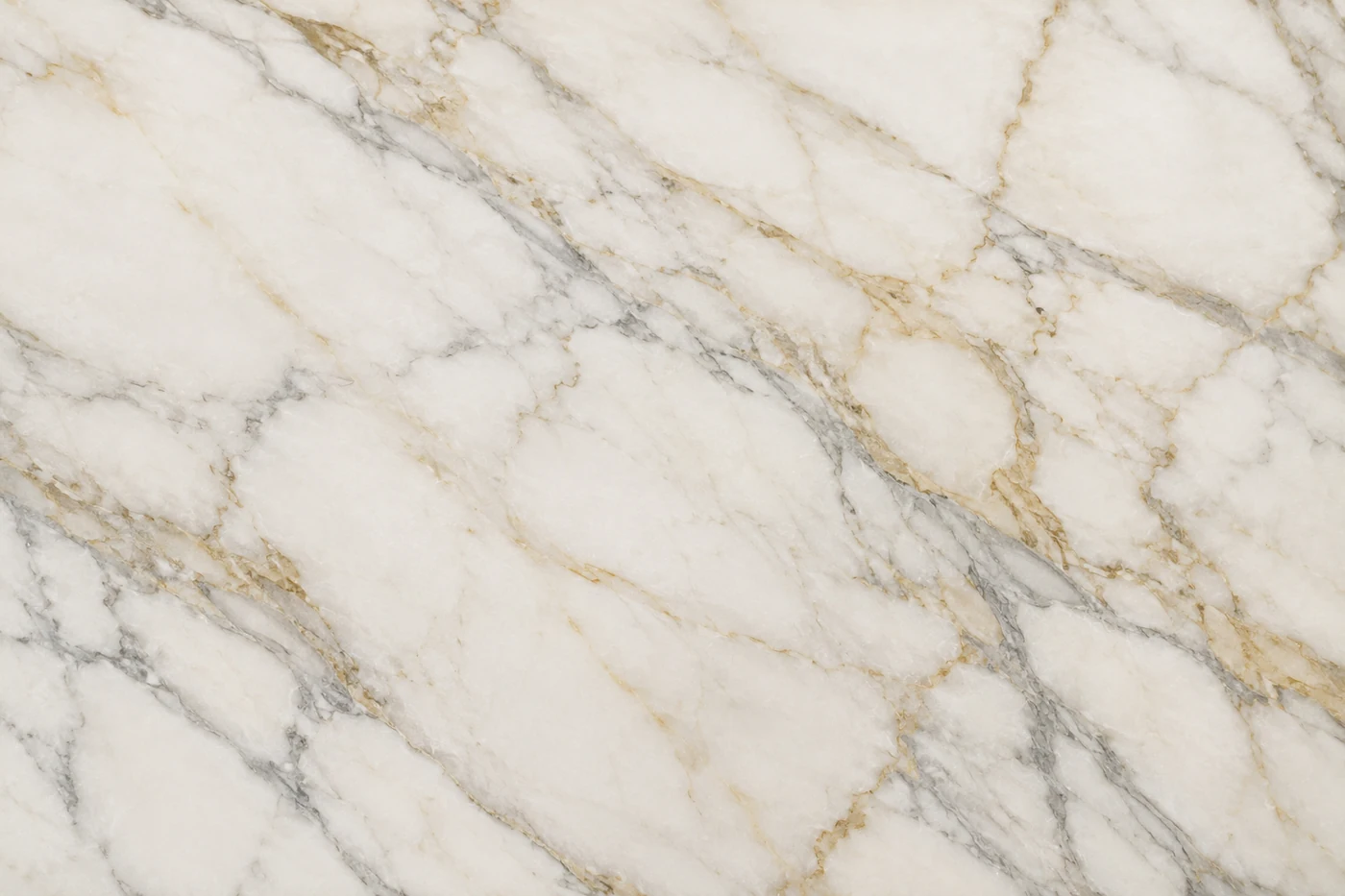
Direction, thickness, colour and density can vary across one slab or between slabs.
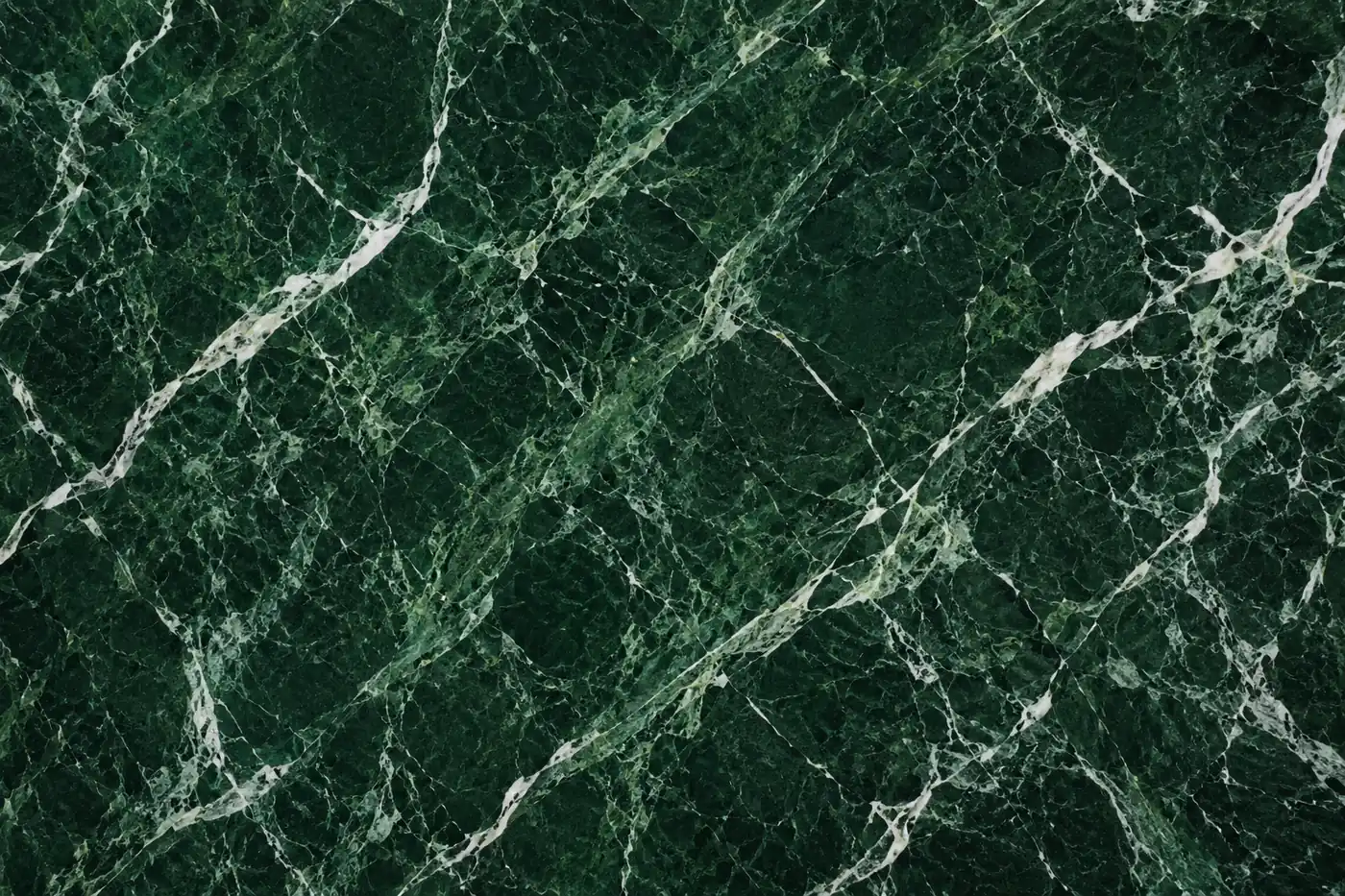
Background tones may move naturally between lighter, darker, warmer and cooler areas.
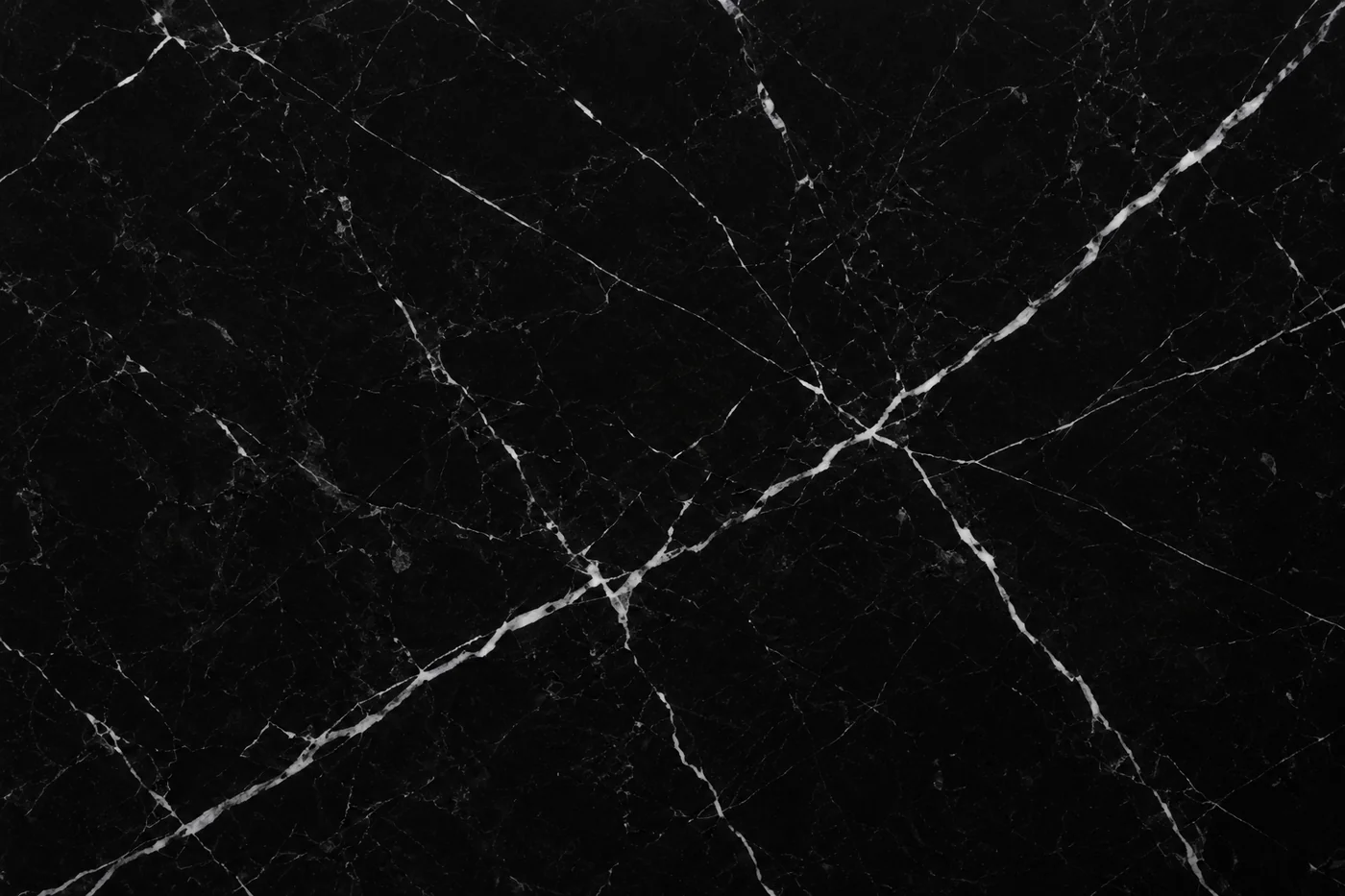
Natural deposits, crystals, fossils, inclusions and concentrated markings may be present.
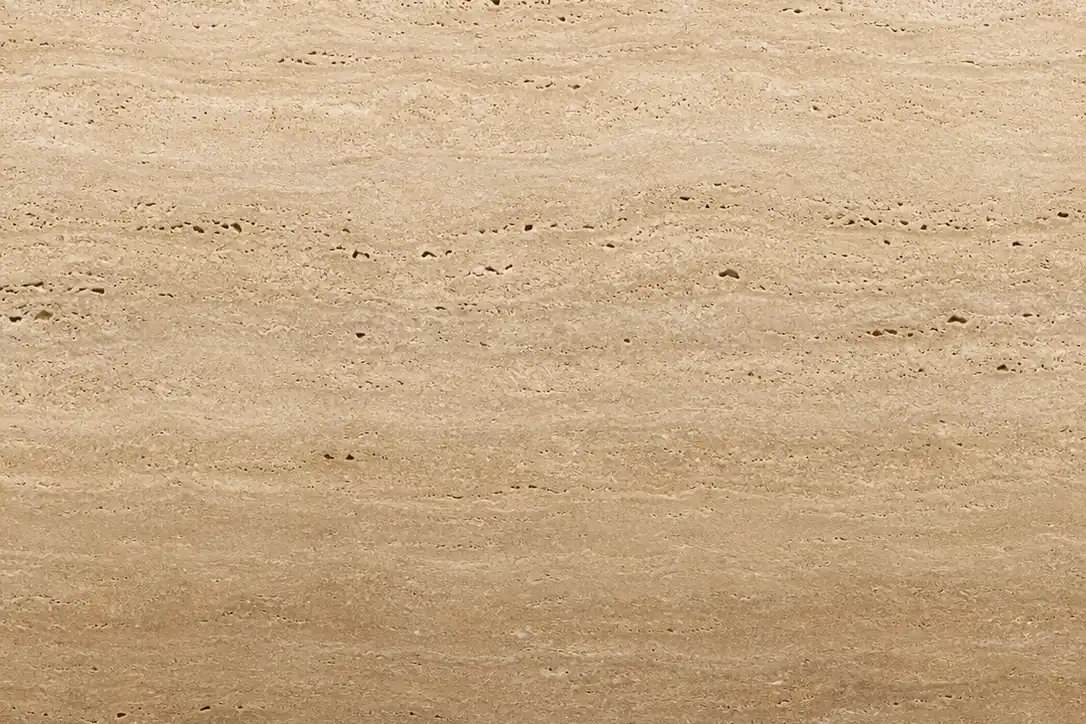
Pores, filled areas, open veins and natural texture vary according to stone type and finish.
IMAGE GUIDANCE
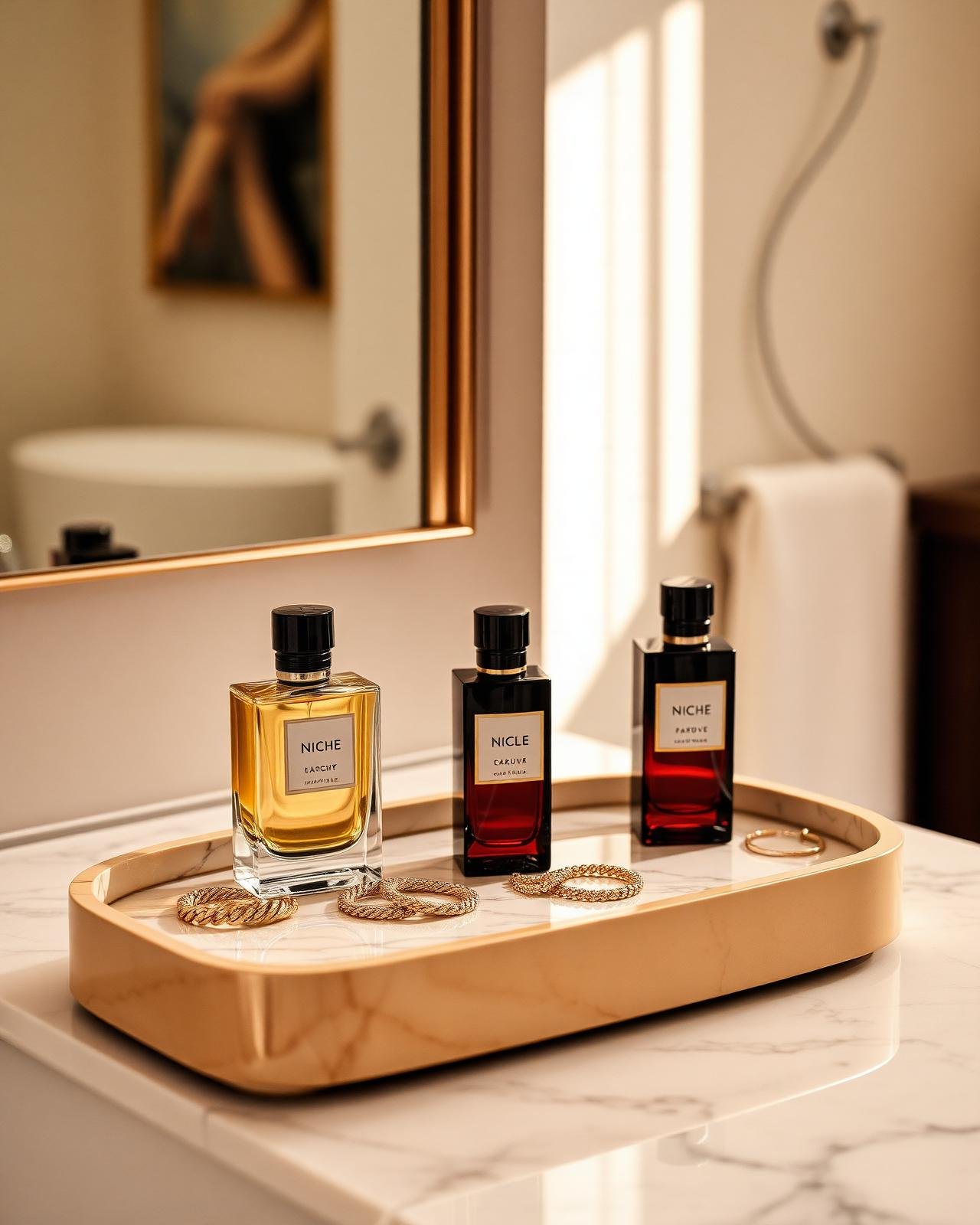
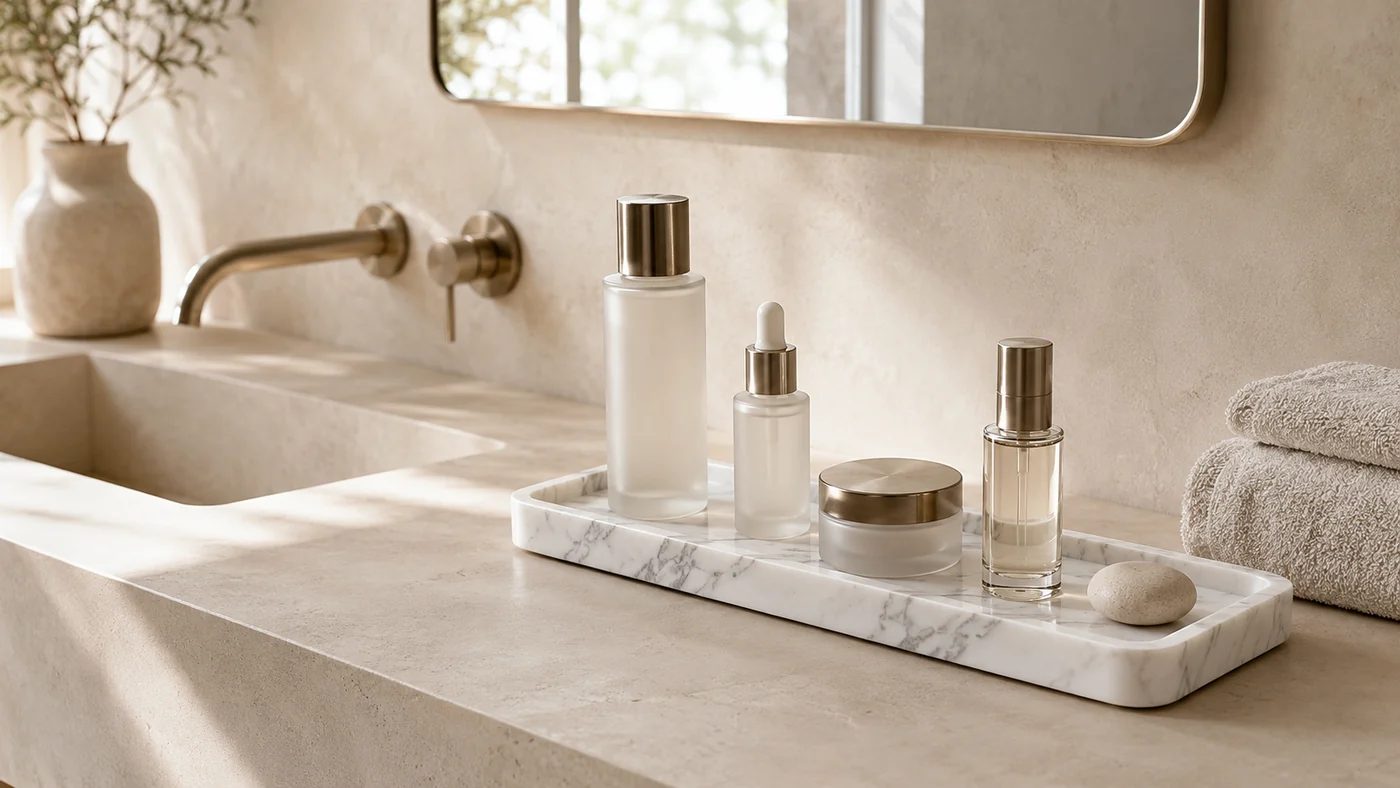
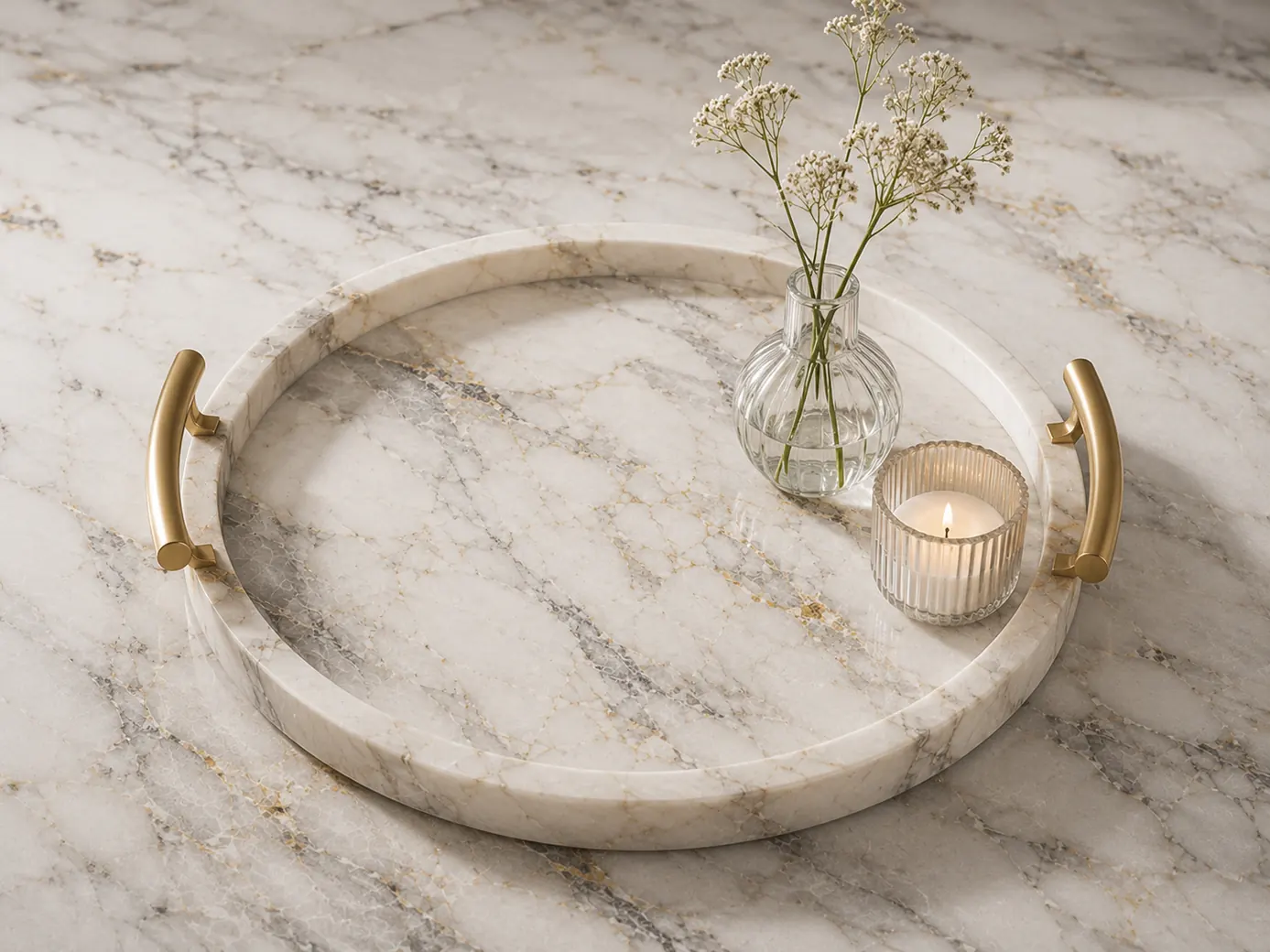
Product and lifestyle images may include styling props, decorative objects, flowers, candles, jewellery, perfume bottles, tableware, furniture, packaging, stands or interior backgrounds. These items are not included unless the product listing expressly states otherwise.
Photography can alter perceived scale, proportion and colour. Cropping, perspective, lighting, reflections and surrounding décor may influence how the tray and stone appear. The photographed piece may be representative rather than the exact piece delivered.
MATERIAL APPROVAL
The exact steps used depend on the product, order value, material availability and whether slab selection is part of the order.
The preferred material family and finish are identified.
Available references are provided where the order process supports them.
Current stock, slab or batch availability is checked.
A specific selection is reviewed when required and available.
The applicable material reference is approved in writing.
Production begins after all required approvals and commercial conditions.
The completed item is reviewed against the approved order information.
Cutting, edge finishing, hand polishing, stone behaviour, hardware installation and product shape can create reasonable fabrication variation. Any applicable technical tolerance should be confirmed in the product record, quotation, drawing or approved specification.
Do not rely on an image or category description for precise measurements. Product-specific confirmed dimensions take priority over general guidance on this page.
Weight varies with stone density, product thickness, dimensions, mineral composition, handles, feet, filled areas and resin treatments. Published weights may therefore be approximate unless expressly confirmed.
Before ordering an unusually large or heavy product, consider the supporting surface, safe handling, placement dimensions and delivery access.
Finish affects colour depth, reflectivity, texture, visibility of pores, maintenance needs, stain behaviour and how veining is perceived. A polished finish can appear deeper and more reflective, while a honed finish can appear softer and lighter.
Only finishes offered for the selected product and stone should be treated as available. Textured or specialist finishes may require separate feasibility review.
Higher reflection and stronger colour depth; reflections can change perceived tone.
Smooth lower-sheen appearance that can make colour and texture feel more restrained.
Available only for selected stones and applications after feasibility review.
Natural stones have different absorption and chemical-sensitivity characteristics. A suitable sealer can reduce absorption, but the correct product and maintenance approach depend on the exact stone, finish and intended use.
Oil, coloured liquids, standing water, acidic substances, harsh chemicals and prolonged exposure can cause staining, darkening, watermarks or etching. Follow product-specific care guidance and clean spills promptly.
Suitability depends on the stone type, finish, climate, direct sunlight, heat, rain, humidity, pollution, salt exposure, sealing, drainage, shelter and maintenance. Product-specific suitability information takes priority.
For UAE conditions, strong sunlight, high temperatures, humidity, coastal salt, sand and dust can affect appearance and maintenance. A covered, shaded area is not equivalent to fully exposed outdoor use.
A decorative natural-stone tray is not automatically suitable for every use. The product listing, care guidance and approved specification should be checked for the intended application.
Where product-specific data exists, it takes priority over this general disclaimer. Contact the team when the intended use involves food service, heat, wet areas, outdoor exposure, heavy loads or commercial high-frequency handling.
Exact matching may be impossible, particularly when an order requires multiple slabs, multiple components, later additions or a replacement piece. Batch variation, vein direction and material availability can affect the result.
Digital layouts and photographs can guide selection but do not guarantee identical stone movement. Large or coordinated orders may require extra material and written approval of the proposed layout.
An approved replacement may need to use another slab or batch and can show different veining, shade, mineral markings, pattern position and weight. A new material review may be required for selected orders.
Marble Trays may seek a suitable visual match where practical, but natural stone cannot be reproduced with identical pattern distribution.
Use care methods appropriate to the exact material and finish. General good practice includes using a soft cloth, suitable pH-neutral stone cleaner, prompt spill cleaning and stable support.
Avoid acidic products, bleach, harsh chemicals, abrasive pads, impact, dragging objects and use outside the approved conditions. Follow sealing and indoor or outdoor guidance where applicable.
The following features can be expected natural or hand-finished characteristics when they do not create a structural, functional, safety or specification issue. Their significance depends on the material and product.
Contact Marble Trays when a feature appears to affect the product’s structure, safety, function or approved specification. Clear photographs, order details and the applicable approved information help the team review the concern.
Before confirming an order, review the product photographs, material description, variation notice, dimensions, finish, intended use, care guidance, suitability, delivery requirements and any product-specific disclaimer.
For bespoke work, also review the approved material reference, drawings and written specifications. Asking questions before payment or production approval can prevent avoidable misunderstandings.
Any customer acknowledgement should be interpreted with the final Terms & Conditions and applicable consumer rights. It should not be used to exclude a genuine delivery, fabrication or specification concern.
Contact Marble Trays for guidance about material selection, stone samples, slab photographs, veining, colour variation, finish, sealing, suitability, matching pieces, bespoke orders, product images or a possible product concern.
Use the material-guidance route for pre-order questions. For a delivered product concern, use the policy and support route that matches the issue.
BEFORE ORDERING
Review the information that affects appearance, suitability, care and delivery before approval or payment.
PURCHASE UNDERSTANDING
By placing an order, the customer acknowledges that natural stone may vary in colour, veining, pattern, mineral markings, texture and other material characteristics, subject to the final Terms & Conditions, the approved product specification and applicable consumer rights. This acknowledgement does not convert a genuine delivery, fabrication or specification issue into an accepted natural characteristic.
MATERIAL GUIDANCE
Share your preferred colour, pattern, intended use and product requirements with the Marble Trays team for guidance before ordering.
No. Product images are representative, and natural-stone veining, colour movement, mineral markings and pattern position vary from one piece to another.
Yes. Two products made from the same named stone can be cut from different slab areas or batches and may show different veining, shade and mineral features.
Veining is normally part of the stone’s natural character. A concern should be assessed when it affects structure, safety, function or an approved specification.
Pores and open surface features are common in some stones and finishes. Their normality depends on the exact material, finish and effect on the completed product.
A fissure can be a natural geological feature, while a structural crack may affect the stone through its depth or function. The individual feature may need assessment.
Specific slab selection may be available for selected bespoke, high-value or commercial orders, subject to stock, reservation and the applicable approval process.
A close material match may be sought, but identical veining, shade and pattern cannot be guaranteed because the original slab or batch may no longer be available.
Warm, cool and natural light affect perceived colour and contrast. Polished surfaces also reflect surrounding colours and objects.
Yes. A small sample represents only a limited area and may not show the full colour movement, veining or mineral distribution of the final product.
Mineral deposits, crystals, fossils, spots and inclusions can be natural characteristics. Their significance depends on the material and whether they affect the product.
Weight may be approximate unless expressly confirmed because stone density, thickness, dimensions, hardware and natural composition vary.
Confirmed product dimensions apply subject to any verified product-specific fabrication tolerance. Check the product record, quotation or approved drawing.
No. Sealing can reduce absorption but cannot make natural stone completely stain-proof or protect against every acid, chemical or prolonged exposure.
Suitability depends on the exact stone, finish, hardware, climate, exposure and maintenance. Do not assume every tray is suitable outdoors.
No. Direct food-contact suitability must be confirmed for the specific product, material, finish and care requirements.
Only items expressly listed as included are supplied. Decorative objects shown in lifestyle photography are generally styling props.
A suitable match may be sought, but a replacement cannot reproduce identical veining, colour movement or pattern distribution.
Material approval may be available for selected bespoke or slab-selected orders, subject to availability and the project’s approval process.
Use a soft cloth and suitable pH-neutral stone cleaner, clean spills promptly, avoid acids and abrasives, and follow the product-specific care guidance.
Stop using the product if necessary, retain packaging when the issue relates to delivery, take clear photographs and follow the damaged-item or warranty support process.
MATERIAL SUPPORT
Contact the Marble Trays team for guidance regarding stone variation, material selection, product suitability, finishes, care or a possible product concern.